
Blog
Whiplash and Neck Pain After a Crash: What to Know
Whiplash is a soft tissue injury to the neck, also called neck sprain or strain. Here is what it is, which symptoms mean call 911, how it is treated and what to write down before your visit.
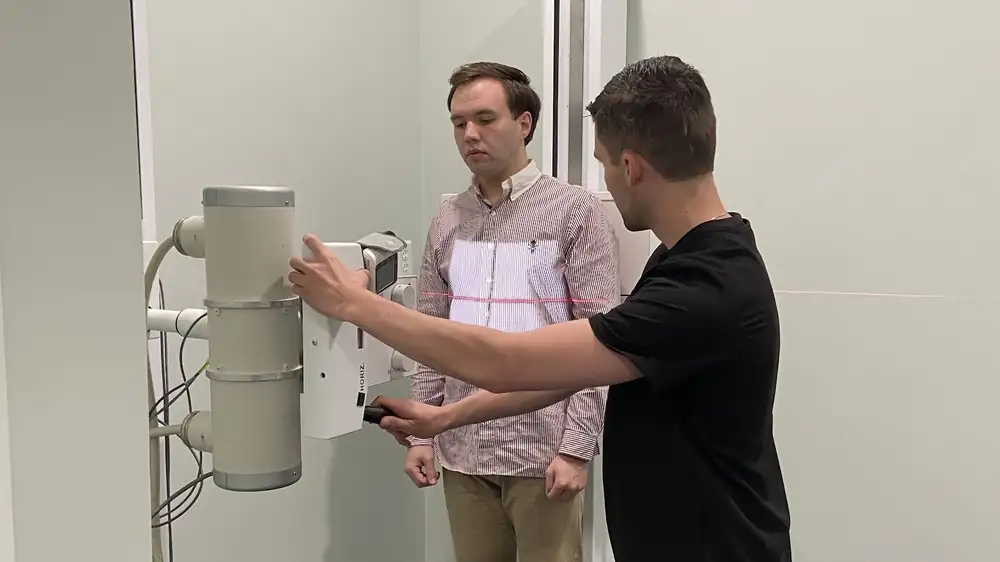
Quick answer: Whiplash is a soft tissue injury to the neck, also called neck sprain or strain, and car accidents are a common cause of neck pain. Treatment depends on the cause and may include ice, pain relievers, physical therapy or a cervical collar, and surgery is rarely needed. After a crash in Cabot, get emergency care first for a head injury with confusion, or a neck injury with loss of feeling or trouble moving. Otherwise, get your neck looked at, because neck pain can come from more than one place.
What is whiplash?
The National Library of Medicine’s MedlinePlus describes whiplash as “a soft tissue injury to the neck,” also called neck sprain or strain. It typically happens when a vehicle is struck from behind and the head jerks forward and backward.
Is all neck pain after a wreck whiplash?
Not necessarily. MedlinePlus says any part of your neck can cause neck problems: muscles, bones, joints, tendons, ligaments or nerves. Pain may also come from your shoulder, jaw, head or upper arms. Muscle strain or tension is a common cause on its own, from sitting at a computer too long or sleeping in an awkward position.
So tell Dr. Luke if your neck bothered you before the wreck, and don’t assume you know what is hurting. That is what the exam is for.
Which symptoms mean call 911 or go to the ER?
This comes from MedlinePlus’s guide to when to use the emergency room:
| What you notice | What MedlinePlus says to do |
|---|---|
| Head injury with passing out, fainting or confusion | Call 911 |
| Injury to the neck or spine, particularly with loss of feeling or inability to move | Call 911 |
| Suddenly not able to speak, see, walk or move | Call 911 |
| Suddenly weak or drooping on one side of the body | Call 911 |
| Unusual or bad headache, particularly if it started suddenly | Go to an emergency department or call 911 |
| Dizziness or weakness that does not go away | Go to an emergency department or call 911 |
| Severe pain anywhere on the body | Go to an emergency department or call 911 |
| Not sure, and none of the above | Call or contact a provider and describe your symptoms |
Chiropractic care comes after serious injury has been ruled out. If you are in doubt, go to the ER first.
Can symptoms show up days later?
Yes, some can. MedlinePlus notes that symptoms of a concussion may not start right away, and may start days or weeks after the injury. It lists a headache or neck pain among them, along with nausea, ringing in your ears, dizziness or tiredness. It says to consult a health care professional if any of your symptoms get worse.
That matters for a neck that starts hurting a few days after a wreck. It also matters for your paperwork, because the Arkansas SR-1 accident report has a 30-day deadline that doesn’t wait for symptoms. Tell Dr. Luke if you hit your head or felt dazed, even if you felt fine afterward. Car wreck exams at our office include concussion screening.
How is whiplash treated?
MedlinePlus says treatment depends on the cause, “but may include applying ice, taking pain relievers, getting physical therapy or wearing a cervical collar. You rarely need surgery.”
What about chiropractic care? The National Center for Complementary and Integrative Health (NCCIH) says spinal manipulation can be helpful for acute neck pain, meaning pain that has lasted less than 6 weeks. Its evidence is a 2021 analysis of 6 studies with 446 participants. The reviewers said the results should be interpreted with caution because of the small amount of evidence and the varied study designs. That page covers neck pain in general, and it doesn’t single out whiplash from a crash.
NCCIH also says neck manipulation has been linked to rare tears in the artery walls of the neck, which can lead to a stroke, and that any sudden neck movement, including whiplash, may raise that risk too. There is disagreement about whether manipulation can actually cause these tears, but patients need to be told. Read what the research says about spinal manipulation for the fuller picture, and ask Dr. Luke anything.
What happens at a whiplash visit at our office?
- A private conversation about the wreck, your injuries and your health history
- A thorough exam, which may include neurological and orthopedic tests, range-of-motion measurements and concussion screening
- X-rays or other imaging if your case calls for them
- A plan you understand, with time to ask questions
- Care that fits your injury, which may include gentle low-force adjustments when appropriate, soft tissue rehab, and strengthening and mobility work
“I went to him for x-rays following a car accident,” wrote Mary Murtishaw in a Google review.
What should I write down before my visit?
A short note saves time and helps your record stay accurate:
- when the wreck happened, where you were sitting and where you were hit
- when the pain started and where it is, on a scale of 1 to 10
- what makes it better or worse, such as turning your head or sleeping
- headaches, dizziness, ringing in your ears or tiredness
- pain or numbness anywhere else, such as your lower back
- your health conditions and medications, which NCCIH says patients should share with the practitioner
- days of work you missed
Does it matter when I get checked for my claim?
It can. Dr. Luke warns car wreck patients about delaying treatment, gaps in care and not reporting all of their symptoms, as pitfalls in a personal injury case. Your own coverage matters too, so find out who pays first and what “rejected in writing” means. This is general information and not legal advice.
Why see Dr. Luke for whiplash in Cabot?
“After a big accident in July, Dr. Luke started seeing me the next week,” wrote Robert Osborn in a Google review. One patient’s experience isn’t a promise, but it shows how the office tries to work. We offer same-day appointments, and we provide documentation for auto insurance or personal injury claims.
See how car wreck and whiplash care works here, then call or text (501) 605-6660 or contact the office.
Sources
This article is general information, not medical or legal advice. It is not a diagnosis or a substitute for an examination. If you have an emergency, call 911.
FAQ
Common Questions
Still have questions? Call us any day and ask.
Is whiplash the same as a neck sprain?
MedlinePlus describes whiplash as a soft tissue injury to the neck that is also called neck sprain or strain.
Will I need surgery for whiplash?
MedlinePlus says treatment for neck problems depends on the cause, and that you rarely need surgery.
When is neck pain after a crash an emergency?
MedlinePlus says to call 911 for an injury to the neck or spine, particularly with loss of feeling or inability to move, and for a head injury with passing out, fainting or confusion.
More articles
-
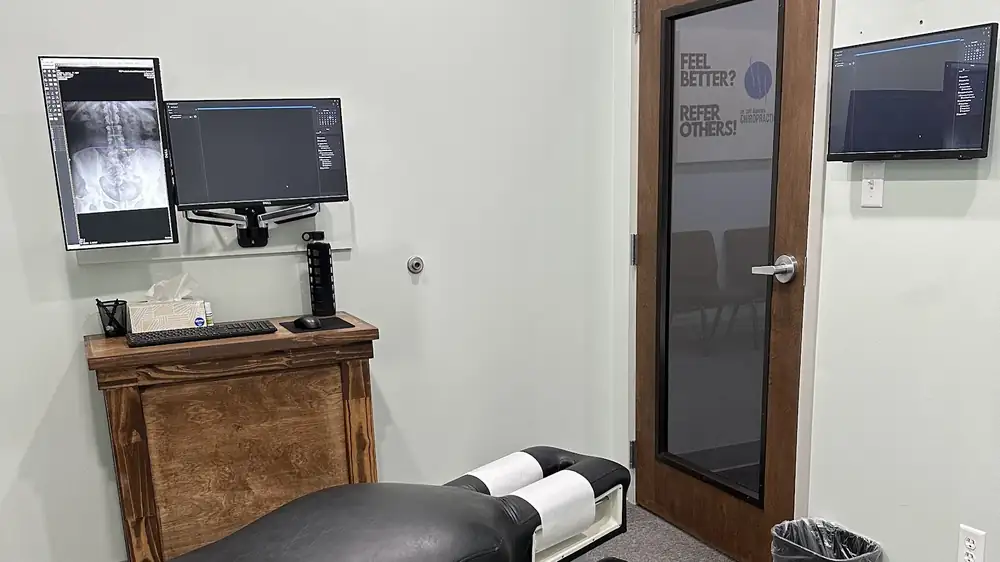
Back Pain After a Wreck: When to Get Checked
The National Institutes of Health says to see a doctor for back pain after a fall or injury. Here are the warning signs, how your back gets examined and what to do until your appointment.
Read more -
DOT Physicals: Who Can Do One, and How Often?
A DOT physical must be done by a medical examiner on the National Registry, and drivers must be certified at least every 24 months, with exceptions. Here is what the federal rules say.
Read more -

Hurt in a Wreck in Arkansas? Who Pays First, and What "Rejected in Writing" Means
Your own auto policy may include no-fault medical benefits, unless someone rejected them in writing. Here is how to check your coverage before the bills start.
Read more
Get In Touch
Ready to Get Started?
If this sounds like your situation, we can help.